Experience Premium HVAC Services in Gillette, NJ
Why Home Cooling Options Matter: Keeping Your Home Comfortable in Every Season
Finding the right home cooling options for your living space is crucial to staying comfortable and energy-efficient, especially as seasons change. Hearth & Home Mechanical, LLC in Gillette, NJ, specializes in delivering effective cooling solutions that fit the unique needs of every home. This blog will explore different types of cooling systems and essential factors to consider when choosing the ideal fit for your space. Whether you’re building a new home or upgrading an older system, keep reading to learn about cooling solutions that keep you comfortable year-round.
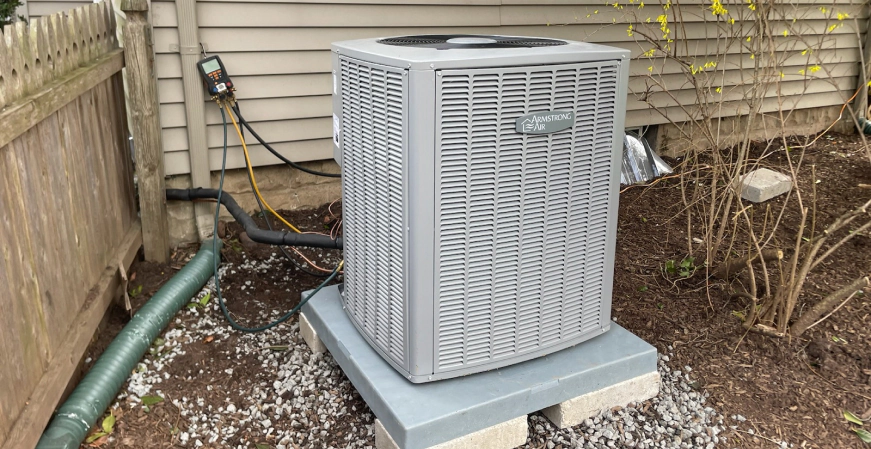
Why Home Cooling Options Matter for Every Homeowner
When it comes to home cooling options, making the right choice has more benefits than just comfort. The right system can affect your energy bills, air quality, and even your home’s resale value. Whether you’re looking at traditional air conditioning units or considering alternative solutions, understanding the options can help you choose a system that fits your home and lifestyle.
- Central Air Conditioning
Central air conditioning is one of the most common cooling systems for larger homes. It distributes cool air throughout the house via ductwork, keeping every room at a consistent temperature. This option works well in homes that already have ductwork for heating, as it minimizes installation costs. Central air is an efficient solution for maintaining a comfortable environment in larger homes and typically comes with high-efficiency models that reduce energy consumption.
Regular maintenance is key to keeping a central air system running efficiently. Professional cooling system service ensures filters, coils, and fins are cleaned and operating correctly, improving the system’s efficiency and lifespan. With proper care, a central AC unit can last up to 15-20 years, making it a sound investment for many homeowners. - Ductless Mini-Split Systems
For homes without ductwork, ductless mini-split systems are an ideal solution. These systems allow you to cool individual rooms or zones, making them a versatile and energy-efficient option for homes with unique layouts. Mini-splits also offer the flexibility of separate controls for each unit, allowing family members to set different temperatures based on their comfort levels.
Ductless systems are highly efficient and reduce the energy loss associated with ductwork. While they have a higher upfront cost than some other cooling solutions, their energy savings over time make them a great long-term option. Plus, with the ability to install in just one or several rooms, mini-splits offer more control over your home’s climate. - Evaporative Coolers
Also known as swamp coolers, evaporative coolers work by drawing in warm air, passing it over water-saturated pads, and releasing the cooled air back into space. These systems are best suited for dry climates, as they add humidity to the air. While less effective in humid areas, they are an affordable and energy-efficient option in drier regions. Evaporative coolers use significantly less energy than traditional air conditioning, providing a natural, eco-friendly solution for homeowners interested in sustainable cooling options.
However, these systems require regular water changes and pad cleanings, so maintenance is essential. Keep in mind that these coolers are most effective when windows or doors are open to allow air circulation, which may not suit everyone’s cooling needs. - Window and Portable AC Units
For smaller spaces or temporary cooling needs, window and portable air conditioning units provide an affordable and straightforward solution. These units are easy to install and can be relocated if needed, making them ideal for renters or homeowners who only need to cool specific rooms occasionally. They come in various sizes, so it’s easy to find one that fits your needs and budget.
One thing to remember with portable or window ACs is that they typically consume more energy per room than a central system. While these units are budget-friendly initially, they may end up costing more in energy bills over time if used continuously. A window or portable unit can serve as a great backup or additional cooling system, especially if you already have central air and need extra cooling during particularly hot days.
Choosing the Right Cooling System for Your Home
When deciding on a home cooling option, it’s essential to consider factors like the size of your home, your energy efficiency goals, and your budget. Homes in Gillette, NJ, have unique requirements due to seasonal weather variations, and choosing the wrong system could lead to inadequate cooling and higher energy costs. Here are some key factors to guide your decision:
- Home Size and Layout: Larger homes benefit from centralized cooling systems, while smaller or uniquely shaped homes may be better suited for ductless options.
- Installation Cost and Feasibility: Some cooling systems, like central air, require ductwork, which can increase costs if your home doesn’t already have it. Ductless or portable systems may offer a more affordable solution.
- Energy Efficiency: Look for units with high SEER (Seasonal Energy Efficiency Ratio) ratings. Systems with higher SEER ratings consume less energy, which can reduce utility bills over time.
- Maintenance Needs: All systems require some level of maintenance, but the type and frequency will vary. Central and mini-split systems benefit from regular cooling system service to stay in top condition.
Improve Comfort and Efficiency with the Right Home Cooling System
Selecting the right home cooling option can significantly enhance your comfort and energy efficiency. Many modern cooling systems come with smart technology features, allowing you to monitor and control the temperature remotely via smartphone apps. This functionality is especially useful for adjusting temperatures when you’re not home, which reduces energy consumption and keeps your home cool when you need it most.
Investing in regular cooling system service ensures your system runs smoothly and efficiently, regardless of the type you choose. From changing filters to inspecting refrigerant levels, routine maintenance can prevent costly breakdowns, extend the lifespan of your system, and even improve indoor air quality. As cooling technology continues to evolve, homeowners now have more cooling solutions than ever to suit every budget and need.
Stay Comfortable Year-Round with Hearth & Home Mechanical, LLC
When it comes to choosing home cooling options that fit your needs, Hearth & Home Mechanical, LLC is here to help homeowners in Gillette, NJ, and surrounding areas. Our team is dedicated to providing effective cooling solutions that keep you comfortable, energy-efficient, and prepared for any season. If you’re considering upgrading or installing a new system, contact us at (908) 400-2257 for professional guidance and reliable service. Let us help you find the best cooling system tailored to your home’s unique requirements.
Best HVAC Maintenance Checklist: Keep Your System Running Smoothly All Year
Maintaining your HVAC system is essential to keeping it running efficiently and avoiding costly repairs. With the right HVAC maintenance checklist, you can extend the life of your system and ensure year-round comfort. Hearth & Home Mechanical, LLC, based in Gillette, NJ, has put together this essential guide to HVAC maintenance. Keep reading to discover how to maintain your heating and cooling systems with ease and confidence.

Furnace Maintenance Checklist
Keeping your furnace in top condition is crucial for safe, efficient heating during the colder months. Here’s a step-by-step furnace maintenance checklist to follow before the start of each heating season:
- Inspect the Thermostat
Check your thermostat’s settings to ensure it’s set at a comfortable temperature. Make sure the settings are set to “heat” and functioning correctly. Smart thermostats make it easier to program temperature settings for different times of the day, which can save on energy costs. - Change or Clean Filters
Filters should be cleaned or replaced at least every three months, or even more often during peak heating season. Clogged filters can cause your system to work harder, reducing efficiency and indoor air quality. - Check Electrical Connections and Wiring
Over time, wiring can loosen, which can affect the performance of your furnace. Carefully inspect all visible wiring and connections, and look for any signs of wear or loose fittings. - Inspect and Clean the Blower Assembly
The blower is responsible for circulating warm air throughout your home. Dust and debris can accumulate over time, so clean the blower assembly as part of your regular furnace maintenance checklist. - Test Safety Controls
A furnace has safety controls to prevent dangerous operating conditions. Regular testing helps ensure these controls work as intended, keeping your home safe.
How to Maintain Your Air Conditioning Unit
Proper AC maintenance not only keeps your home cool but also extends the life of your air conditioning system. Here’s how to maintain your air conditioning unit:
- Check the Outdoor Unit
Make sure the area around the outdoor unit is clear of debris, plants, or any obstructions that could affect airflow. Clear a two-foot space around the unit for proper ventilation. - Inspect and Clean Evaporator and Condenser Coils
Over time, coils collect dirt and dust, reducing their efficiency. Clean the coils annually, as part of your routine AC maintenance, to help your unit cool effectively. - Examine and Clean Drain Lines
Clogged drain lines can lead to water damage and poor system performance. Check the lines regularly and clear any obstructions to prevent water buildup. - Change Air Filters Regularly
As with heating systems, filters are essential to air quality and system efficiency. Change filters every three months to prevent dust and allergens from circulating in your home. - Test Thermostat Accuracy
Ensure your thermostat is accurately reflecting your preferred settings. Faulty thermostats can lead to inconsistent temperatures and higher utility bills.
Routine AC Maintenance for Optimal Performance
Routine AC maintenance ensures your unit runs smoothly during the warmest months. By following these steps, you’ll keep your AC system in peak condition:
- Inspect Fan Blades and Motor
Fan blades and the motor should be inspected for any visible wear or damage. Clean the fan blades to remove dust buildup, which can affect airflow and reduce cooling efficiency. - Lubricate Moving Parts
Proper lubrication of moving parts reduces friction, wear, and noise. This is especially important for older systems where components may require extra care. - Tighten Loose Connections
Electrical and mechanical connections can become loose over time. Regularly check connections and secure any loose parts to ensure your system operates reliably. - Adjust Refrigerant Levels
Incorrect refrigerant levels can decrease cooling efficiency. Have a professional check and adjust refrigerant levels as part of your routine maintenance. - Check System Controls
System controls should be tested to confirm that the air conditioner starts, operates, and shuts down properly. This can prevent unexpected breakdowns on hot days.
Residential HVAC Inspection Checklist
Scheduling a residential HVAC inspection allows you to detect any small issues before they become larger problems. This checklist covers essential areas that need regular attention:
- Inspect Ductwork for Leaks or Blockages
Leaks in ductwork can lead to energy loss and reduced indoor air quality. Regular inspection helps prevent energy waste and maintains comfort levels in each room. - Evaluate Airflow
Airflow should be measured and adjusted as needed to ensure even distribution of heating or cooling throughout the home. Inadequate airflow may indicate a need for cleaning or repairs. - Check Electrical Wiring and Safety Components
Inspections should cover all electrical connections and safety components to ensure they’re working as they should. Faulty wiring can be a fire hazard, so these checks are essential for safety. - Analyze System Efficiency
An HVAC technician can help you understand if your system is running at optimal efficiency. This analysis may identify areas for improvement, such as upgrading components. - Inspect the Heat Exchanger
The heat exchanger in a furnace should be inspected for cracks or damage. A damaged heat exchanger can release harmful gases, making this check an essential safety measure.
Ensure Year-Round Comfort with Hearth & Home Mechanical, LLC
A regular HVAC maintenance checklist is essential to keep your system running efficiently and prevent costly repairs. Hearth & Home Mechanical, LLC in Gillette, NJ, is here to help you maintain your HVAC system with precision and care. We bring professional service to every project, helping you ensure a comfortable, safe home environment throughout the year.
If you need support with your HVAC maintenance or a professional inspection, reach out to Hearth & Home Mechanical, LLC at (908) 400-2257 to schedule an appointment today!