
Experience Premium HVAC Services in Gillette, NJ
How to Master AC Troubleshooting: Common Issues and Easy Fixes
How to Master AC Troubleshooting with Common Issues and Easy Fixes
AC troubleshooting is an essential skill every homeowner should have. When your air conditioner stops working or isn’t cooling properly, it can lead to discomfort, especially during hot summer months. Knowing how to troubleshoot AC issues can save you time, money, and frustration. In this guide, we’ll go over common air conditioner problems and easy fixes, helping you get your AC back up and running smoothly.
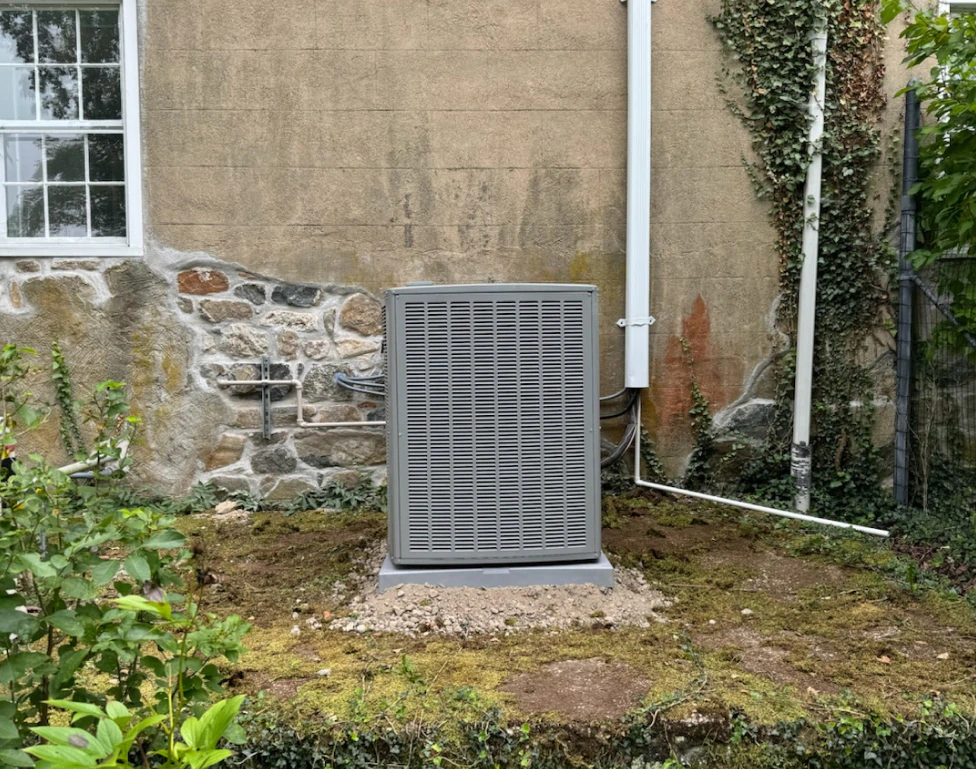
1. Why Is My AC Not Working?
One of the most common questions people ask is, “Why is my AC not working?” There are several potential reasons for an AC system failure, ranging from simple issues to more complicated problems. Here are a few things you can check:
- Power Supply: Ensure that your AC unit is plugged in and the breaker hasn’t tripped. A lack of power is often the simplest explanation.
- Thermostat Settings: Double-check that your thermostat is set to the cooling mode and the temperature is set low enough to trigger cooling. Sometimes, it’s just a matter of incorrect settings.
- Air Filter: A clogged air filter can restrict airflow and prevent the system from cooling effectively. Replace or clean the filter if it’s dirty.
2. Common Air Conditioner Problems
Several air conditioner problems can prevent your unit from running efficiently. Some of these issues are easy to fix, while others may require professional assistance. Here are some of the most common problems you might encounter:
- Frozen Coils: If the evaporator coils freeze, your air conditioner will stop cooling properly. This is often caused by a dirty air filter or low refrigerant levels.
- Clogged Condensate Drain: If your unit’s condensate drain is clogged, water can back up into the system, causing it to freeze or stop working entirely.
- Low Refrigerant: A refrigerant leak can cause your AC to blow warm air. If you notice a decrease in cooling efficiency, you may need an AC diagnostic to check for leaks and refill refrigerant.
3. How to Fix AC Problems
If your AC is having trouble, here are a few simple things you can do to troubleshoot and fix common issues:
- Replace or Clean the Air Filter: If your air filter is clogged, airflow will be restricted, leading to poor performance. Replace the filter every 1-3 months to keep your system running efficiently.
- Clean the Coils: Dirty coils can cause the system to overheat and reduce its efficiency. Use a coil cleaner to remove debris and dirt from both the evaporator and condenser coils.
- Check the Drain Line: Ensure that the condensate drain is clear. You can use a wet/dry vacuum to suck out any clogs, allowing water to flow freely and preventing the system from freezing.
4. When to Call for Professional AC Troubleshooting
While many AC issues can be fixed with a little DIY troubleshooting, there are times when professional help is necessary. If you’ve checked the common issues and your AC is still not working, it’s time to call a professional AC diagnostic service. Here are signs you might need to call in an HVAC technician:
- Strange Noises: If your unit is making unusual noises, such as grinding, clanging, or hissing, it may indicate a mechanical issue that needs professional attention.
- Water Leaks: Leaks around your AC unit could signal a refrigerant leak or drainage problem, both of which require a professional to fix.
- Inconsistent Temperatures: If your AC is running but not cooling your home evenly, it may need a refrigerant charge, coil cleaning, or other professional services.
5. Preventative Maintenance to Avoid AC Problems
To keep your air conditioner in top shape, preventative maintenance is key. Regular maintenance can help identify small issues before they become bigger, more expensive problems. Here are some how to fix AC tips to prevent breakdowns:
- Regular Filter Replacement: Keeping your filter clean ensures proper airflow and prevents the buildup of dust and debris that can cause long-term damage to the system.
- Annual Tune-Ups: Scheduling an annual AC maintenance check can help keep your system running smoothly and efficiently. A technician will clean coils, check refrigerant levels, and inspect the overall health of your unit.
- Clear Debris Around the Unit: Ensure that the area around your outdoor unit is free from debris, such as leaves or branches, that can block airflow and cause the system to overheat.
Conclusion
Learning the basics of AC troubleshooting can help you address air conditioner problems quickly and efficiently, saving you time and money. By following the tips above, you can handle many common issues on your own. However, if you’re still wondering, “Why is my AC not working?” after trying these fixes, it’s time to contact a professional. At Hearth & Home Mechanical, LLC, we specialize in AC diagnostic services and offer comprehensive solutions for all your HVAC needs. If you’re experiencing any issues, don’t hesitate to reach out — we’re here to help restore your home’s comfort.
